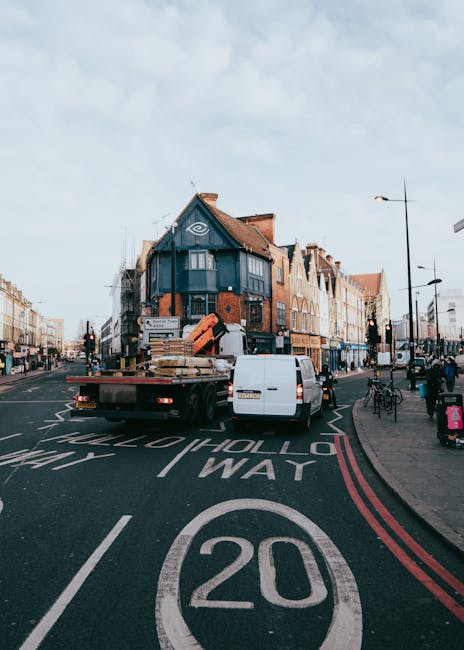
Wandsworth house removals guide for Old York Road moves
If you are planning a move around Old York Road, you already know this is not your average "pack a few boxes and hope for the best" kind of job. Streets can be tighter than they look, parking can vanish quickly, and the day can turn messy if you do not plan the details early. This Wandsworth house removals guide for Old York Road moves is here to make the whole process feel calmer, clearer, and much more manageable.
Whether you are moving from a flat near the station, a family home a little further out, or a rental with awkward access and far too many stairs, the same basic principle applies: good preparation saves time, stress, and a fair bit of money. Let's walk through what matters, how the move usually works, and where people most often trip themselves up. A bit of planning goes a long way. Truth be told, it saves the headache later.
Table of Contents
- Why this kind of move matters
- How the moving process works
- Key benefits and practical advantages
- Who this guide is for
- Step-by-step guidance
- Expert tips for better results
- Common mistakes to avoid
- Tools, resources and recommendations
- Law, compliance, standards, and best practice
- Options, methods, or comparison table
- Case study or real-world example
- Practical checklist
- Conclusion
- Frequently asked questions
Why Wandsworth house removals guide for Old York Road moves Matters
Old York Road sits in one of those London pockets where the location is brilliant and the logistics can be a little fiddly. That is exactly why a focused removals plan matters. You are dealing with a busy local environment, mixed property types, limited space for loading, and the usual London realities: parking pressure, narrow access, and timing constraints.
For many people, the move itself is not the hard part. It is the chain of small decisions around it. Which day should the van arrive? Where can it stop without causing problems? How do you protect valuables if you are moving from a top-floor flat with a narrow stairwell? These questions are easy to underestimate until moving day, when the hallway is full, the kettle is packed somewhere unhelpful, and everyone is asking where the tape has gone. Funny how that happens.
A good Wandsworth removals plan helps you protect time, reduce physical strain, and make the whole day feel less like a scramble. It also gives you room to make sensible choices about packing, access, and support. If you are moving within SW11 or heading further afield, the details are slightly different, but the need for structure stays the same.
Expert summary: The smartest Old York Road moves are the ones that treat access, parking, packing, and timing as one connected plan rather than four separate problems. That simple shift makes a real difference.
How Wandsworth house removals guide for Old York Road moves Works
In practical terms, a house removal is a sequence of tasks that starts before the van arrives and ends after the last box is carried in. Around Old York Road, the process often needs extra attention because local streets may be busy and access can be tighter than people expect.
Most moves follow a similar pattern:
- Initial assessment: You work out what is being moved, from where, and what might cause difficulty on the day.
- Survey or quote stage: The removals provider estimates the size of the job, timing, and any special handling needs.
- Packing and preparation: Items are boxed, labelled, wrapped, and grouped logically so unloading is easier.
- Loading: Furniture, appliances, and boxes are taken out safely, ideally in the order that suits the property layout.
- Transport: The goods are moved between addresses, sometimes with careful route planning if timing is tight.
- Unloading and placement: Items are placed in the right rooms rather than dumped in one pile and left there.
That sounds straightforward, and in a way it is. But the devil is in the small things. A sofa that fits through one doorway may still need turning at a strange angle. A parking bay might be available at 8 a.m. and gone by 8:20. The best removals planning takes those local realities seriously.
If you are comparing service options, it can help to look at broader moving support too. Some people need a standard van-and-man service; others benefit from a more complete packing and handling option. If you want to understand how a wider service set is typically presented, you can review the range of support described on Man and Van Wandsworth and compare it with what your own move actually needs.
Key Benefits and Practical Advantages
The obvious benefit is that a well-organised move is less stressful. But that is only part of the story. A proper removals plan around Old York Road also gives you better control over cost, timing, and risk.
- Less disruption: You are not trying to make decisions in the middle of loading.
- Lower damage risk: Fragile items are packed properly and furniture is handled with more care.
- Better time control: Clear planning usually means fewer delays and fewer expensive surprises.
- Improved access management: The move is easier when parking, entry routes, and lift or stair access are thought through early.
- Less emotional strain: Moving is tiring, full stop. Good logistics make it feel more manageable.
There is also a practical financial advantage. A move that runs smoothly tends to use time more efficiently. That does not magically make removals cheap, of course, but it can stop the job from dragging on. And in moving, dragging on is where the frustration starts creeping in.
Another real benefit is decision clarity. When you know what is coming first, what needs dismantling, and which items need special care, you stop second-guessing yourself. That matters more than people think. A calm move is usually a clearer move.
Who This Is For and When It Makes Sense
This guide is for anyone planning a home move in or around Old York Road, especially if the property access is not completely straightforward. That includes flats, maisonettes, terraced houses, and rental homes where move-out deadlines are tight.
It is especially useful if you are:
- moving into a new home in Wandsworth or nearby
- leaving a flat with stair access only
- trying to coordinate a completion day with limited time on site
- moving bulky furniture through narrow communal areas
- managing a family move with children, pets, or both
- trying to compare a basic removals option with a fuller service
It also makes sense if you are doing a smaller move but still want professional help. Not every move needs a huge crew or a massive lorry. Sometimes you just need reliable loading, careful transport, and someone who knows how to work efficiently in a local London setting.
To be fair, some people only realise they need more support after they have tried to move a heavy wardrobe downstairs by themselves. Usually after one awkward pivot on the landing. That is the moment the tape measure and common sense both make a comeback.
Step-by-Step Guidance
If you want the move to feel controlled rather than chaotic, this is the sequence worth following. Keep it simple. Keep it realistic.
1. Start with a proper inventory
List the large furniture, fragile pieces, boxed items, and anything awkward such as mirrors, bikes, rugs, or plants. You do not need a museum catalogue, just enough detail to understand the size and shape of the job.
A quick inventory helps with quoting and avoids the classic, "Oh, we forgot the garden table" problem.
2. Check access at both addresses
Look at entrance width, stairs, lift availability, hallway turns, and where a vehicle can safely stop. For Old York Road moves, this is not just helpful, it is essential. Access can change the whole shape of the day.
If possible, take a few photos. A removals team can often spot a potential issue just by seeing a doorway, a parking setup, or a narrow corner.
3. Decide what you will pack yourself
There is a practical middle ground between doing everything yourself and handing everything over. Many people pack books, clothes, linens, and non-breakables on their own, then leave fragile or awkward items to the professionals.
That balance can work well. It keeps costs sensible without turning the move into a DIY endurance test.
4. Label by room and priority
Label boxes clearly with the destination room and, where useful, a quick note such as "open first" or "fragile." This sounds basic because it is basic, and basic things often save the day.
For a smoother first evening, keep a separate essentials box with kettle items, charger cables, loo roll, toiletries, and a change of clothes. You will thank yourself later. Probably around 10 p.m.
5. Prepare furniture properly
Disassemble what makes sense, keep screws and fittings in labelled bags, and protect corners or glass surfaces. If something is too awkward to dismantle safely, leave it intact and discuss handling with the removals team.
People often overdo this part. Not every table needs to become a flat-pack experiment.
6. Plan the moving day order
Think about what needs to leave first, what can wait, and which rooms should be emptied in sequence. A little order saves a lot of backtracking.
A sensible route through the property matters too. If the hallway is narrow, moving from the back rooms first may be easier than trying to work from the front and blocking yourself in.
7. Do a final walk-through before departure
Check cupboards, loft spaces, behind doors, and under beds. This is where lost remotes, important paperwork, and that one boot often turn up at the last second.
Then do the same at the new place before unpacking. It sounds obvious. Still worth saying.
Expert Tips for Better Results
Small choices make a big difference on a removals day. In our experience, the best moves are rarely the most dramatic ones. They are the ones where the basics are quietly done well.
- Book earlier than you think: Good dates go quickly, especially around weekends and month-end periods.
- Separate essentials from storage items: The things you need on day one should not disappear into the back of the van.
- Keep furniture clear of clutter: Moving around an uncluttered space is faster and safer.
- Use colour tags if you have several rooms: It is a simple trick, but it helps a lot in bigger homes.
- Measure awkward items twice: Doorways, stair bends, and hallways are where trouble usually starts.
- Allow a buffer: London moves rarely run like clockwork from start to finish. A little slack helps.
One thing that people often overlook is how weather affects a move. A wet pavement, a chilly stairwell, or a damp cardboard box can slow everything down. On a grey London morning, that matters. It really does.
If you are moving into storage first, or if the final address is not ready yet, ask for a plan that keeps goods separated and clearly labelled. Once boxes start merging together, it gets messy fast. Nobody enjoys the "which box has the bedding?" treasure hunt.
Common Mistakes to Avoid
Most removals problems are not dramatic. They are just avoidable. The usual mistakes are simple, but they cost time and patience when ignored.
- Underestimating access issues: A street that looks fine on foot may be tricky for loading.
- Packing too late: Last-minute packing creates bad labelling and breakage risk.
- Not protecting fragile items: Towels are not a substitute for proper wrapping when the item matters.
- Leaving important items on shelves: Keys, medication, documents, and chargers should be with you.
- Forgetting parking or loading restrictions: That can throw the day off before the first box moves.
- Trying to move everything yourself: It is not always cheaper once time, damage, and effort are counted properly.
Another common issue is assuming the new property will be straightforward. Perhaps the lift is smaller than expected, or the entry route is shared and busy. Not a disaster, but enough to slow things down unless you know in advance.
A tiny bit of realism here helps. If a move feels like it might be difficult, it probably is. Better to face that early than act surprised on the day.
Tools, Resources and Recommendations
You do not need fancy kit to move well, but a few practical tools make life easier. These are the bits people tend to be glad they bought:
- Strong tape and tape gun: Faster sealing, less frustration.
- Permanent markers: For room labels and box contents.
- Bubble wrap or paper wrapping: For fragile glass, ceramics, and ornaments.
- Furniture blankets: Helpful for protecting polished surfaces and frames.
- Mattress covers: A simple way to keep bedding clean during transit.
- Zip bags: Ideal for screws, cables, and small fittings.
- Box cutter or scissors: Keep one easily accessible, not buried somewhere after the kettle.
It also helps to use a simple moving folder, digital or paper, containing your booking notes, inventory, new address details, and any access instructions. One place. Easy to grab. That alone can prevent a lot of day-of confusion.
If you need support beyond the move itself, it can be useful to look at broader local moving services as a reference point. For example, the service overview at house removals in Wandsworth can help you understand how a more complete home move is typically approached, especially when compared with smaller transport-only jobs.
Law, Compliance, Standards, or Best Practice
For a home move in the UK, the main compliance concerns are usually practical rather than complicated. You want a provider that works safely, handles goods responsibly, and operates in line with ordinary commercial and transport expectations. Exact legal obligations can vary by service type and situation, so it is wise to ask questions rather than assume.
Some common best-practice points include:
- Insurance clarity: Check what cover applies to goods in transit and handling.
- Safe lifting practices: Heavy or awkward items should be moved in a way that reduces injury risk.
- Property protection: Floors, bannisters, and door frames should be protected where needed.
- Clear booking terms: Know what is included, what counts as extra, and how changes are handled.
- Responsible disposal: If packing waste or unwanted items are being removed, confirm how that is managed.
There is no need to turn a house move into a legal seminar. Still, a bit of due diligence is sensible. Ask about insurance, access requirements, and any items that need special handling. If something is unusual, say so early. That is the difference between a smooth day and a day with avoidable surprises.
For example, if you have a piano, a very heavy wardrobe, or valuable artwork, treat that as a separate discussion. Not every removals job is standard. And that is perfectly normal.
Options, Methods, or Comparison Table
Choosing the right moving method depends on the size of the property, access, time pressure, and how much you want to handle yourself. There is no single correct answer. There is just the option that fits your move best.
| Option | Best for | Pros | Trade-offs |
|---|---|---|---|
| DIY van hire | Very small moves or budget-led relocations | Maximum control, usually lower upfront cost | Heavy lifting, insurance gaps, more stress, more time |
| Man and van | Flats, partial moves, smaller homes, short local moves | Flexible, efficient, practical for tight streets | May not suit very large households or complex moves |
| Full house removals service | Family homes, larger loads, fragile items, time-sensitive moves | More support, less physical effort, better coordination | Typically higher cost than basic transport-only options |
If you are moving around Old York Road, the middle option is often the sweet spot for many households. Not always, but often. A lot depends on how much you own, how awkward the access is, and whether you want the pressure taken off your shoulders.
One practical way to decide is to ask yourself this: do you want help moving boxes, or do you want help managing the day? Those are not the same thing at all.
Case Study or Real-World Example
Picture a fairly typical Old York Road move: a two-bedroom flat, third floor, shared staircase, and a completion window that leaves very little room for delays. The household has a sofa, a dining table, two beds, several book boxes, kitchen items, and a few fragile pieces that were collected over the years.
The move works best when it is handled in stages. First, the residents pack non-essentials over a few days, leaving daily-use items until the end. Second, they clear the hallway and protect the main walkway. Third, they arrange parking and arrival timing so the vehicle can load without circling the block more than necessary. Small thing, big impact.
On the morning itself, the team starts with larger furniture and then works room by room. Boxes are labelled properly, so the kitchen and bedroom items go straight to the right places at the new address. By the afternoon, the property is empty, the keys are handed over, and the family is not spending the evening hunting for a phone charger inside a mountain of cardboard.
That kind of move is not glamorous. But it is exactly what a well-run removals plan should feel like: controlled, decent, and quietly efficient. Nothing flashy. Just done properly.
Practical Checklist
Use this before moving day. It keeps the important bits in one place.
- Confirm move date, arrival window, and access instructions
- Check parking options near both properties
- Measure doorways, stairs, and awkward furniture
- Pack non-essentials early
- Label all boxes by room and priority
- Set aside valuables, documents, medication, and keys
- Protect fragile items with suitable wrapping
- Disassemble furniture where practical
- Prepare an essentials box for the first night
- Do a final property walk-through before leaving
- Check the new home for access points and room layout before unloading
- Keep phone chargers, tea bags, and basic toiletries easy to reach
Quick reminder: if a task will be annoying to fix on moving day, sort it beforehand. You rarely regret being too organised. Well, almost never.
Conclusion
A successful move around Old York Road is less about luck and more about planning the practical bits properly. Parking, access, packing, timing, and furniture handling all matter. If you get those right, the day feels calmer and the risk of expensive little mistakes drops sharply.
The strongest approach is usually the simplest one: assess the property honestly, pack early, label clearly, and choose the level of removals support that genuinely suits the size and complexity of the move. That is how you keep stress under control and make the move feel manageable from start to finish.
If you are weighing up your next step, take a moment to map the move properly rather than rushing into it. A little structure now can make the whole experience much easier later, and honestly, that relief is worth quite a lot.
Get a free quote today and see how much you can save.
Frequently Asked Questions
How far in advance should I book a removals service for Old York Road?
As early as you can, especially if you want a popular moving day or you are planning around the end of the month. Short-notice bookings can still work, but advance planning gives you more choice and less stress.
Do I need a full house removals service for a flat move?
Not always. A flat move might only need a man and van or a smaller removals setup, depending on the amount of furniture, access, and how much packing you want help with.
What should I tell the removals team before moving day?
Tell them about parking, stairs, lift access, tight doorways, large furniture, fragile items, and anything that needs special handling. The more honest the picture, the smoother the day tends to be.
How can I make a move on Old York Road less stressful?
Start early, label boxes clearly, keep essentials separate, and avoid leaving the difficult jobs until the last minute. A calm move is usually the result of a few small decisions done well.
What items are most often forgotten during a house move?
People often forget chargers, keys, important paperwork, toiletries, small kitchen items, and things tucked away in cupboards or loft spaces. A final walk-through helps catch those.
Is packing service worth it for a Wandsworth move?
It can be, especially if you have fragile items, limited time, or a lot of belongings. Some people prefer to pack everyday items themselves and leave the more delicate or awkward pieces to the pros.
How do I deal with parking on a busy London street?
Check access early, think about the loading position, and build in extra time for delays. In busy areas, parking is often the thing that turns a simple move into a complicated one.
Can I move bulky furniture through a narrow stairwell?
Sometimes, yes, but it depends on the size of the item and the shape of the stairwell. Measure first if possible, and do not force it. Forcing a sofa around a corner rarely improves the day.
What insurance should I ask about before booking?
Ask what cover applies to goods in transit, handling, and any accidental damage. It is sensible to know where the responsibility sits before anything is loaded.
How do I know whether I need dismantling help?
If the furniture is large, awkward, or likely to get damaged if moved in one piece, dismantling may help. Beds, wardrobes, and some tables are common examples. If in doubt, ask before moving day.
What is the best way to label boxes?
Use the destination room, a short contents note, and a priority marker if needed. For example: "Kitchen - mugs and plates - open first." Simple beats fancy every time.
What should I do if my completion time is delayed?
Keep communication open with the removals team as soon as you know there is a delay. London moves can be time-sensitive, so quick updates help everyone adjust without panic.
Do I need special help for fragile or valuable items?
Yes, if the item is fragile, high-value, unusually shaped, or sentimentally important enough that you really do not want it chipped. Better to flag it early than hope for the best.
What is the biggest mistake people make on moving day?
Trying to improvise too much. The day runs better when the plan is already in place. If you can keep the basics organised, the rest usually falls into line more easily than expected.