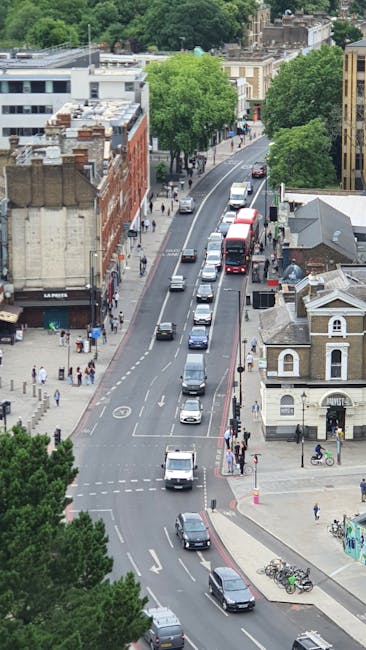
Clapham Junction removals tips and costs in Wandsworth

Moving near Clapham Junction can feel straightforward on paper and oddly complicated in real life. One minute you're measuring sofas and boxing up mugs; the next you're thinking about tight stairwells, parking, train noise, busy streets, and how on earth you'll get everything loaded without the whole day drifting away. That's why Clapham Junction removals tips and costs in Wandsworth matter so much: they help you plan a move that is realistic, not just hopeful.
This guide breaks down what affects removals pricing, how to prepare properly, and where people usually save money without creating extra stress. If you're moving a flat, a family home, or even a small office locally, you'll find practical steps here that are easy to act on. And yes, some of the best savings come from the boring stuff done well. That's the truth of it.
Why Clapham Junction removals tips and costs in Wandsworth Matters
Clapham Junction is one of those places where moving is rarely just "turn up and load the van". The station area is busy, roads can be congested at peak times, and many properties are flats with awkward access, shared hallways, or limited waiting space. If you don't plan around those realities, the move becomes slower, and slow moves usually cost more.
For local residents, the main challenge is not only the distance between old and new addresses. It's the access. A move from a first-floor flat with no lift will almost always take longer than a ground-floor house with a driveway. Even small details, like whether the removal vehicle can park close enough to the entrance, can change the final bill.
That's why people search for local guidance before booking. They want to understand what drives cost, what can be controlled, and which tasks are worth doing themselves. In our experience, the moves that feel calm on the day usually started with clear planning a week or two earlier, not with frantic packing at 11pm the night before. Nobody needs that kind of drama.
If you're comparing providers, it also helps to look at the broader service mix. For example, many moves around Clapham Junction involve flat removals, man with van support for smaller jobs, or full house removals for larger households. Matching the service to the property is often where the smartest cost decisions begin.
How Clapham Junction removals tips and costs in Wandsworth Works
Removal pricing is usually based on a mix of time, labour, vehicle size, access, mileage, and any extra services you need. A small move with easy access can be relatively quick. A more complex move may need extra crew, a larger vehicle, and more careful handling. That is normal.
Here's the basic logic. The more time a team spends on the job, the more it tends to cost. Time increases when there are more items, more floors, more fragile pieces, long carries, parking issues, or difficult dismantling and reassembly. Packing service, storage, and special item handling can also add to the total.
For many local customers, the first decision is whether a full team is necessary or whether a smaller setup works better. A compact move may suit man and van or removal van options. Larger, more furniture-heavy jobs often need broader support, such as removal services with a suitable vehicle and enough hands to keep things moving.
You may also see pricing shaped by extras like packing materials, waiting time, weekend scheduling, or a last-minute booking. To be fair, a lot of people underestimate how much time packing takes. The boxes look harmless until you're on box number twenty-four and you haven't even touched the kitchen.
Most reputable companies will ask for details before giving a quote: property type, number of rooms, access, inventory, and any items that need special care. If you want to compare options properly, it helps to look at pricing and quotes early, before you commit to a date you may later regret.
Key Benefits and Practical Advantages
Good removals planning is not just about saving a few pounds. It's about reducing friction on moving day. That's the part people remember.
Here are the main advantages of planning well:
- Better cost control: you reduce wasted time, duplicate trips, and avoidable labour.
- Less stress: when boxes are labelled and access is arranged, the move feels more manageable.
- Safer handling: careful planning reduces the chance of damage to furniture, walls, and stair rails.
- Faster loading and unloading: efficient packing and clear room-by-room labelling save real time.
- Cleaner handover: if you're renting, it becomes easier to leave the property tidy and ready.
There is also a practical local benefit. Around Clapham Junction, timing matters. Early starts can help you avoid the busiest traffic windows, and that can make a noticeable difference. A move that begins smoothly often ends smoothly too. Funny how that works, isn't it?
Another big advantage is choosing the right service level. Some people need full packing and unpacking support, especially if they are working, parenting, or moving on a tight deadline. Others just need transport and muscle. If you know which camp you're in, you avoid paying for services you won't use. You can explore the possibility of packing and unpacking services if you want a more hands-off move, or keep things simpler with self-packed boxes and a smaller crew.
Who This Is For and When It Makes Sense
This topic is relevant to a few different groups, and the cost considerations are not quite the same for each one.
Homeowners and tenants: If you're moving from a one-bedroom flat, the key issues are access and packing volume. If you're moving from a family house, volume and furniture handling matter much more. Larger homes often need more planning, and sometimes a larger vehicle or extra team members.
Students and first-time renters: Smaller moves can be surprisingly easy to overcomplicate. If you only have boxes, a bed, a desk, and a few bags, a leaner setup may be enough. Services like student removals are often a better fit than a big full-service package. Keep it proportionate. That's the trick.
Families: Family moves usually involve more furniture, more organising, and more emotional clutter, if we're honest. There are children's items, kitchen equipment, storage boxes, and the odd toy that mysteriously appears just as the van is closing. Planning and labelling become essential.
Small businesses: Office moves need a more structured approach. If you're relocating a workspace near Clapham Junction, you may need office removals or more tailored commercial moves. Business moves often run on tighter timeframes, so coordination matters more than saving the last ten minutes on packing tape.
Anyone with awkward items: Pianos, large wardrobes, mirrors, and antique furniture all change the moving plan. If you have something fragile or unusually heavy, ask early about specialist handling rather than hoping for the best. Hoping is not a strategy.
Step-by-Step Guidance
Here's a simple way to approach a Clapham Junction move without letting it spiral.
- List everything you are moving. Write down the furniture, boxes, and any special items. A rough inventory is better than none.
- Check access at both addresses. Count stairs, note lift access, measure doorways, and look at parking options.
- Choose the right service type. A small local move may suit man with a van, while a bigger property may need a fuller team.
- Ask for a quote with clear details. Give accurate information about rooms, access, and any fragile pieces. Half the problem is incomplete information.
- Pack in a way that helps the movers. Label boxes by room, keep heavy items in small boxes, and avoid overfilling.
- Prepare parking and entry access. If the crew cannot park close by, you may pay more in labour time.
- Reserve essentials separately. Keep documents, chargers, medication, and a kettle within easy reach. Trust me, you will want that kettle.
- Confirm timing the day before. A quick check reduces mistakes and gives you a chance to flag last-minute changes.
- Walk through the property before departure. Look in cupboards, under beds, and behind doors. The lost charger and the missing remote usually turn up there.
That sequence sounds simple, but it works because it reduces decision fatigue. You're not trying to solve everything on moving morning. You already solved most of it.
Expert Tips for Better Results
These are the small adjustments that make a real difference on local moves.
1. Move midweek if you can. Weekend slots are often in higher demand, and that can affect availability and pricing. Midweek moves can be a little calmer too.
2. Separate the essentials box from the general load. You want one box for first-night items: toiletries, phone chargers, tea bags, a change of clothes, and basic tools.
3. Disassemble furniture in advance where sensible. Beds, tables, and shelving units are often easier to carry in parts. Just keep the screws in labelled bags. Tiny bag, big relief.
4. Use the right packing materials. Good boxes, bubble wrap, sofa covers, and mattress protection can prevent damage that costs more to fix than to prevent. If you need supplies, take a look at packing and boxes.
5. Ask about storage if the dates do not line up. Delayed completion, renovation work, or temporary relocation can create a gap between move-out and move-in. In those cases, storage may be the least stressful option.
6. Be honest about difficult items. If there's a heavy bookcase, a grand piano, or a mirror that makes you nervous just looking at it, mention it early. Honest information leads to better planning.
7. Keep hallway and stairwell routes clear. Shoes, plant pots, prams, and loose bags slow everything down. A clear route sounds basic, but it saves time and reduces accidents.
One more thing: if you are tempted to do the whole move alone because "it's only a few things", just pause for a second. Moving a sofa down a staircase with one friend and a lot of optimism is how people end up with scratches, bruised shins, and a very long afternoon. There's no medal for that.
Common Mistakes to Avoid
Some moving mistakes are so common they almost feel like tradition. Still, you can avoid them.
- Underestimating volume: what looks like "a few boxes" becomes an entire van load once wardrobe contents, kitchen items, and spare bedding are included.
- Forgetting access issues: tight parking, fourth-floor walk-ups, and narrow hallways all affect timing and cost.
- Leaving packing too late: last-minute packing usually means poor labelling and broken items.
- Choosing the wrong vehicle size: too small and you need more trips; too large and you may pay for capacity you don't use.
- Not checking what is included in the quote: some services include loading and unloading only, while others may include packing, dismantling, or materials.
- Ignoring insurance and liability details: you should know how handling and protection are managed before the move starts.
There's also a quieter mistake: assuming every removal company works the same way. They don't. A careful team, clear communication, and proper planning can make the whole experience feel much smoother. If you're comparing providers, it is worth checking pages like removal companies and insurance and safety so you know what standards and assurances matter to you.
Tools, Resources and Recommendations
You do not need fancy tools for a successful move, but a few basics help a lot.
- Labels and marker pens: label by room and priority, not just by box number.
- Packing tape and tape dispenser: less fiddly, more efficient.
- Furniture blankets and protective covers: especially useful for polished wood, fabric sofas, and mattresses.
- Simple floor plan sketch: helps movers place items in the right room quickly.
- Charging cables and extension leads: a surprisingly common thing to misplace during a move.
- Basic toolkit: useful for bed frames, curtain rails, and small reassembly jobs.
From a service perspective, the most useful starting points are usually the ones that match your move type. For a smaller local job, man and van can be a practical fit. For a full-home relocation, removals or home moves may be the better route. For a business move, office relocation services can help reduce disruption.
If you need to understand the company's approach before booking, pages such as about us, health and safety policy, and payment and security can offer useful reassurance. It's not glamorous reading, admittedly, but it tells you a lot about how seriously the work is handled.
Law, Compliance, Standards, or Best Practice
For removals in the UK, the main compliance focus is usually safety, care of property, fair handling of goods, and clear commercial terms. You do not need to become a legal expert to book a move, but you should know a few basics.
Insurance matters. Ask what protection is in place for handling items, accidental damage, and transit. A reputable mover should be transparent about this. If something delicate or high-value is involved, clarify it before moving day rather than after.
Health and safety matters too. Good lifting practice, clear walkways, sensible load handling, and safe vehicle loading are not optional extras. They are part of professional moving. If you want to understand a company's stance, review its health and safety policy and insurance and safety information.
Terms should be clear. You should know what is included, what can change the price, how cancellations are handled, and whether there are waiting-time charges. Reading the terms and conditions before booking is not exciting, but it prevents awkward surprises.
Environmental good practice matters. If you are disposing of old furniture or packing materials, look for responsible reuse or recycling where possible. The move is a good moment to make better choices about clutter. If sustainability matters to you, recycling and sustainability is worth a look.
None of this is about overcomplicating the move. It's about making sure the job is done properly and that everyone knows where they stand. Simple, really.
Options, Methods, or Comparison Table
Choosing the right removals setup depends on the size of the move, access, and how much help you want on the day. Here's a practical comparison.
| Option | Best for | Typical strengths | Trade-offs |
|---|---|---|---|
| Man and van | Small flats, lighter loads, short local moves | Flexible, efficient, often cost-conscious | May not suit large houses or bulky furniture |
| Full removals team | Family homes, bigger inventories, more complex access | More labour, faster loading, better for heavy items | Usually more expensive than a smaller setup |
| Packing support | Busy households, time-poor customers, fragile items | Saves time, reduces packing stress, improves protection | Adds cost, and you still need to prepare access |
| Storage | Delayed completion, refurb work, temporary moves | Useful for timing gaps and staged moves | Extra cost if items stay stored for long periods |
If you're unsure which option fits, think about three things: volume, access, and time pressure. Those three often tell the truth faster than a long phone call does.
Case Study or Real-World Example
Imagine a couple moving from a two-bedroom flat near Clapham Junction into a terraced house in Wandsworth. They have a sofa, bed frames, a dining table, a TV unit, and about thirty boxes. Nothing wildly unusual, but the flat is on the second floor and there is no lift. Parking is also limited, which is fairly typical around busy transport links.
At first, they think the job will take less than half a day. Once they do a proper inventory, they realise the move is more substantial than expected. They book a team with enough labour for the stairs and choose to dismantle the beds in advance. They also label the boxes by room and keep essentials separate.
On moving day, the crew is able to load efficiently because access was checked beforehand. There is no last-minute scramble for a parking space, no hunting for screws, and no delay caused by missing packaging. The whole move still takes effort, of course, but it feels organised instead of chaotic.
That is the quiet power of good preparation. Not magic. Just fewer surprises.
In a different case, a small business moving a few desks and filing cabinets may choose a more structured service and schedule the move outside working hours. That avoids interrupting staff and gives everyone a much cleaner handover. For business customers, office removals can be a very sensible route when timing is tight.
Practical Checklist
Use this before booking and again the day before the move.
- Make an inventory of furniture, boxes, and fragile items.
- Measure large furniture and check doorways, stairwells, and lifts.
- Confirm parking and access at both addresses.
- Decide whether you need packing help, storage, or dismantling support.
- Ask for a quote with clear details and any awkward access notes.
- Label boxes by room and mark fragile items clearly.
- Prepare an essentials bag or box for the first 24 hours.
- Protect floors and furniture where needed.
- Keep keys, documents, and valuables with you.
- Walk through each room before the vehicle leaves.
If you want a smoother move with less guesswork, it can also help to explore related services such as house removalists, furniture removals, or furniture pick up if you are clearing items separately. The right support depends on what you are actually moving, not what sounds impressive on a website.
Get a free quote today and see how much you can save.
Conclusion
Clapham Junction removals in Wandsworth are usually easiest when you plan around the real-world details: access, parking, volume, timing, and the level of help you genuinely need. That's where the cost becomes clearer, and where the stress starts to drop.
If you take one thing from this guide, let it be this: the cheapest-looking option is not always the best value, and the most expensive option is not always necessary. A well-matched service, a clear inventory, and a bit of early organisation usually do more for your moving day than any last-minute scramble ever could.
Stay calm, pack smart, ask the right questions, and give yourself a little breathing room. Moves are messy by nature, but they do not have to feel impossible. And once the kettle is unpacked, the worst of it is already behind you.
Frequently Asked Questions
How much do Clapham Junction removals usually cost in Wandsworth?
Costs vary depending on property size, access, volume, distance, and whether you need packing or storage. A smaller local move with easy access is usually cheaper than a larger flat or house move with stairs, narrow roads, or extra labour.
What makes removals more expensive near Clapham Junction?
The biggest cost drivers are time and access. Busy roads, parking difficulty, multiple flights of stairs, long carries, large furniture, and short-notice bookings can all increase the price.
Is a man and van service enough for a local move?
It can be, especially for smaller flats, student moves, or lighter household loads. If you have a lot of furniture, fragile items, or tricky access, a bigger removals setup may be more suitable.
How far in advance should I book my move?
As soon as you know your moving date, it's sensible to start getting quotes. Busy periods fill quickly, and booking earlier usually gives you better choice and less pressure.
Do removal companies help with packing?
Some do, some don't, and some offer packing as an extra service. If you want help with boxing up fragile items or the whole property, check whether packing and unpacking services are available.
What should I pack separately on moving day?
Keep valuables, keys, medication, important documents, chargers, and one or two days' worth of essentials with you. That small bit of preparation saves a lot of rummaging later.
Do I need storage if my move dates do not line up?
If there is a gap between leaving one property and getting into the next, storage can be a very practical solution. It is also useful during renovations or if you want to move in stages.
Are removal teams insured?
Reputable companies should be clear about their insurance and how they handle safety and liability. Always check the details before booking, especially if you have expensive or fragile furniture.
What's the best way to reduce moving costs?
Declutter early, pack in advance, label clearly, and make access as easy as possible. Fewer delays and fewer trips usually mean a better price.
Can I move at the weekend?
Yes, weekend moves are common, but they may be busier and sometimes more expensive. If you have flexibility, a midweek move can be a calmer option.
What if I only need one large item moved?
For a single sofa, wardrobe, or similar item, a smaller service such as furniture removals or furniture pick up may be more appropriate than a full removals booking.
How do I know which removals service is right for me?
Start with the size of the load, the access at both properties, and how much help you want. Then compare the service options: removals, man with van, home moves, or commercial moves depending on your situation.
Where can I get more information before booking?
It helps to review service details, pricing information, and company policies before making a decision. Pages like pricing and quotes, about us, and terms and conditions are a good place to start.